


Money plays a central role in modern society. It enables individuals, businesses, and governments to exchange goods and services efficiently. Without money, economic activities would rely on barter systems, which are far less practical and often inefficient.
In simple terms, money is a medium used to facilitate transactions and measure the value of goods and services. It helps societies organize economic activity, store wealth, and conduct trade on both local and global levels.
Understanding money—its forms, functions, and influence—is essential for anyone who wants to manage finances wisely or understand how economies operate.
What Is Money?
Money refers to any widely accepted medium used for exchange in economic transactions. It allows people to buy goods, pay for services, save wealth, and measure economic value.
Before money existed, people relied on barter systems, where goods were exchanged directly for other goods. However, barter had limitations because both parties needed to want what the other offered. Money solved this problem by providing a common unit of value.
Today, money exists in multiple forms including physical cash, bank deposits, and digital currencies.
Key Functions of Money
Money serves several essential purposes in an economy. These functions help maintain stability and enable smooth economic activity.
1. Medium of Exchange
The primary function of money is acting as a medium of exchange. Instead of trading goods directly, people use money to purchase what they need.
Example:
A farmer sells crops and receives money, which can later be used to buy tools, clothing, or other necessities.
2. Unit of Account
Money provides a standard measurement of value. Prices of goods and services are expressed in monetary terms, making it easier to compare costs.
For example:
- A phone may cost ₹15,000
- A meal may cost ₹200
- A car may cost ₹800,000
This system allows consumers and businesses to make informed financial decisions.
3. Store of Value
Money allows individuals to save purchasing power for the future. Unlike perishable goods, money can be stored and used later.
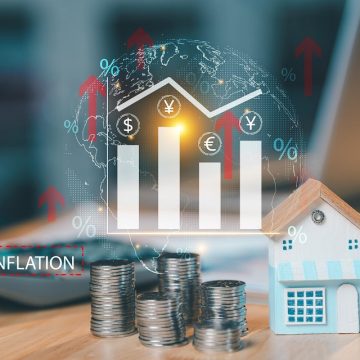
However, inflation can reduce the purchasing power of money over time.
4. Standard of Deferred Payment
Money enables credit and loans, allowing payments to be made in the future. Businesses, governments, and individuals rely on this function for financial planning and investments.
Types of Money
Money has evolved over centuries. Different societies have used different forms of money depending on economic and technological developments.
Commodity Money
Commodity money has intrinsic value because the material itself is valuable.
Examples include:
- Gold
- Silver
- Salt
- Precious metals
These items were widely used in ancient civilizations because they were durable and scarce.
Fiat Money
Most modern currencies are fiat money, meaning their value comes from government authority rather than physical backing.
Examples include:
- Rupee
- Dollar
- Euro
- Yen
Governments and central banks regulate fiat money to maintain economic stability.
Digital Money
Digital money exists electronically and is used in modern financial systems.
Common examples include:
- Online banking balances
- Mobile payments
- Electronic fund transfers
Digital money has become increasingly popular due to the growth of technology and online commerce.
Cryptocurrency
Cryptocurrency is a decentralized digital currency based on blockchain technology. It operates without a central authority.
Popular cryptocurrencies include:
- Bitcoin
- Ethereum
- Litecoin
While cryptocurrencies offer innovation and security features, they also face regulatory and volatility challenges.
Characteristics of Good Money
For something to function effectively as money, it should possess certain important qualities.
Durability
Money must last over time without deteriorating. Materials like paper, metal, and digital systems ensure durability.
Portability
People must be able to carry and transfer money easily. Lightweight currency and digital payments improve portability.
Divisibility
Money should be divisible into smaller units so it can support transactions of different sizes.
Example:
₹100 can be divided into smaller denominations like ₹50, ₹20, or ₹10.
Uniformity
All units of money must be consistent and identical to maintain trust in the financial system.
Limited Supply
A controlled supply of money helps maintain its value and prevents excessive inflation.
The Importance of Money in Everyday Life
Money affects nearly every aspect of daily living. It influences personal choices, economic growth, and global trade.
Some major roles include:
- Facilitating trade and commerce
- Supporting business growth
- Enabling savings and investments
- Improving living standards
- Funding public services through taxation
Without money, complex economic systems such as modern markets, international trade, and financial institutions would be extremely difficult to maintain.
How Money Influences the Economy
Money is closely linked to economic stability and growth. Governments and central banks regulate the money supply to control inflation, support employment, and encourage investment.
When managed properly, money helps:
- Promote economic growth
- Stabilize markets
- Encourage entrepreneurship
- Support infrastructure development
However, poor monetary management can lead to problems such as inflation, recession, or financial instability.
Conclusion
Money is far more than coins and banknotes. It is a fundamental element of modern civilization that enables trade, supports economic development, and helps individuals manage their financial lives.
From ancient commodity systems to modern digital currencies, money continues to evolve alongside technology and global economic changes. Understanding how money works allows individuals to make smarter financial decisions and navigate the complexities of today’s economy.
Frequently Asked Questions (FAQs)
1. What is the basic definition of money?
Money is a commonly accepted medium used to exchange goods and services and measure the value of economic transactions.
2. Why did money replace the barter system?
Money replaced barter because barter required both parties to want what the other offered. Money simplified trade by acting as a universal medium of exchange.
3. What are the main types of money used today?
The main types include fiat money, digital money, commodity money, and cryptocurrencies.
4. How does inflation affect money?
Inflation reduces the purchasing power of money, meaning the same amount of money buys fewer goods and services over time.
5. What role do central banks play in managing money?
Central banks regulate the money supply, interest rates, and financial stability to maintain a balanced economy.
6. Is digital money replacing physical cash?
Digital money is growing rapidly, especially through online banking and mobile payments, but physical cash is still widely used worldwide.
7. Can cryptocurrency replace traditional money?
Cryptocurrency has potential in digital finance, but it currently faces challenges such as price volatility, regulation, and adoption, which limit its use as a universal currency.