

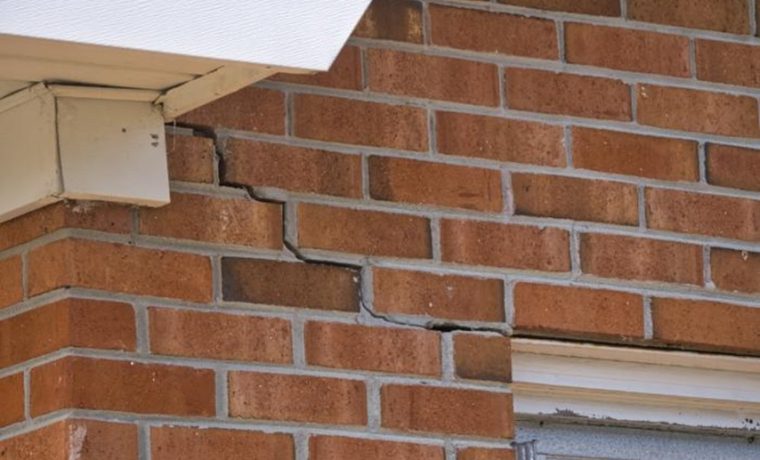
A crack in a foundation may look like a small line in concrete, but it deserves more attention than a quick glance. The foundation supports the weight of the entire home, so changes in its condition may affect walls, floors, doors, windows, and other structural parts. Homeowners who understand the warning signs are better prepared to act before damage spreads.
Some foundation cracks develop as concrete cures or a home settles during its early years. Others form due to soil movement, poor drainage, water pressure, or uneven support beneath the structure. Professional foundation crack repair begins with finding the source of the crack rather than covering the visible opening and hoping for the best.
Not every crack signals major structural trouble. However, cracks do not close or correct themselves. Monitoring their size, direction, and location helps homeowners decide when an inspection is needed.
Why Foundation Cracks Develop
Foundation cracks have several possible causes. The soil around and beneath a home constantly responds to rainfall, dry weather, freezing temperatures, and changes in groundwater levels.
Clay-rich soil often expands when it absorbs moisture and shrinks when it dries. Repeated expansion and contraction place pressure on foundation walls and footings. One part of the home may move more than another, leading to cracks and uneven settlement.
Poor drainage is another common cause. Clogged gutters, short downspouts, low areas near the foundation, and improper grading allow water to collect beside the home. Saturated soil becomes heavier and may push against basement walls.
Other common causes include:
- Soil that was not properly compacted before construction
- Tree roots affecting moisture levels in nearby soil
- Plumbing leaks beneath or near the foundation
- Erosion that removes supporting soil
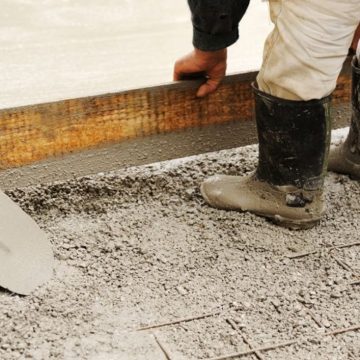
- Concrete shrinkage during the curing process
- Excessive weight or changes made to the structure
Finding the cause matters because sealing a crack without addressing soil, drainage, or structural movement may lead to repeated damage.
Understanding Different Crack Patterns
The direction and shape of a crack often provide clues about the forces affecting the foundation.
Vertical Cracks
Vertical cracks commonly appear when concrete shrinks or a foundation settles. Thin vertical cracks may be less serious than other patterns, but they still need monitoring. Water stains, dampness, or an increase in width are reasons to request an inspection.
Horizontal Cracks
Horizontal cracks in basement walls are more concerning. They may develop when saturated or expanding soil pushes inward against the wall. A wall that bows or leans near the crack requires prompt professional evaluation.
Diagonal Cracks
Diagonal cracks often form when one section of the foundation settles faster than another. They may be wider at one end and narrow toward the other. Nearby sticking doors, sloped floors, or gaps around windows may point to uneven movement.
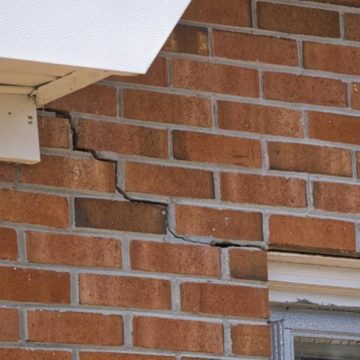
Stair Step Cracks
Stair-step cracks follow mortar joints in brick or concrete block walls. They often indicate settlement or shifting beneath part of the structure. Cracked bricks, separated trim, or widening mortar gaps may appear at the same time.
Risks of Leaving Cracks Unaddressed
Ignoring a crack removes the opportunity to understand why it formed. A small opening may allow moisture into a basement or crawl space. Continued movement may also place stress on framing, drywall, flooring, plumbing, and exterior masonry.
Possible risks include:
- Water intrusion during heavy rain
- Damp basement or crawl space conditions
- Bowing or shifting foundation walls
- Uneven or sloping floors
- Doors and windows that stick
- Cracks spreading into interior walls
- Gaps between walls, ceilings, and trim
- Higher repair costs as damage progresses
The Federal Emergency Management Agency (FEMA) notes that inspectors evaluate a home’s structural condition after disaster damage, including the foundation, water intrusion, and other signs that may affect safety and livability. During an inspection, they document foundation conditions, structural damage, and evidence of flooding or water-related issues. Homeowners may review FEMA’s home inspection guidance for additional information.
Common Foundation Crack Repair Options
The correct repair method depends on the type of foundation, the crack pattern, the amount of movement, and the presence of water. A contractor should inspect the full structure before recommending a specific approach.
Epoxy Injection
Epoxy injection is often used for dry structural cracks in poured concrete walls. The material fills the opening and bonds the concrete together. It is commonly selected when the wall remains stable and the crack needs structural restoration.
Polyurethane Injection
Polyurethane is frequently used for cracks that allow water to enter. The material expands into the opening, creating a flexible seal. It works well for certain nonstructural cracks, though it does not correct settlement or wall movement.
Carbon Fiber Reinforcement
Carbon fiber straps may be installed on foundation walls showing limited inward movement. The straps provide added support without taking up much basement space. They are typically used when the wall has not shifted beyond the system’s limits.
Wall Anchors or Bracing Systems
Wall anchors and steel bracing systems address bowing or leaning basement walls. Anchors connect the wall to stable soil outside the home, while braces support the wall from inside. Site conditions determine which approach is appropriate.
Foundation Piers
Foundation piers may be recommended when settlement causes cracks and uneven floors. Steel push piers or helical piers transfer the structure’s weight to stronger soil or load-bearing layers beneath the unstable area.
Effective foundation crack repair addresses the underlying cause of the damage. Filling the opening alone is rarely enough when active settlement, erosion, or soil pressure remains present.
Warning Signs That Deserve an Inspection
Homeowners should look beyond the crack itself. Structural movement often creates related changes throughout the property.
Schedule an evaluation when you notice:
- A crack growing longer or wider
- Several new cracks are appearing close together
- Horizontal cracks in a basement wall
- Stair step cracks in brick or block
- Water entering through an opening
- Floors beginning to slope or sag
- Doors that suddenly rub or fail to latch
- Windows are becoming difficult to open
- Gaps forming around cabinets, trim, or walls
- A basement wall beginning to bow inward
Taking dated photographs helps track visible changes. Place a ruler beside the crack in each photo for scale. Notes about rainfall, plumbing leaks, or other property changes may also help during an inspection.
Steps That Reduce Additional Foundation Stress
Homeowners cannot control every soil condition, but regular property maintenance reduces avoidable pressure around the foundation.
Clean gutters so rainwater flows freely. Extend downspouts far enough to discharge water away from the home. Fill low spots where water collects beside foundation walls, and maintain a gentle slope away from the structure.
Plumbing leaks should be addressed promptly, especially when they occur beneath a slab or near the foundation. Trees and large shrubs also need thoughtful placement because their roots and water use may affect surrounding soil.
Existing cracks should be checked several times a year. A visible change in width, length, or moisture level calls for professional attention. Seasonal movement may occur, but repeated or increasing movement still requires evaluation.
What to Expect During a Professional Inspection
A foundation inspection usually begins with a discussion of the changes the homeowner has noticed. The inspector then reviews the interior and exterior of the structure, including walls, floors, doors, windows, drainage areas, and visible portions of the foundation.
Measurements may be taken to identify changes in floor elevation, wall movement, and crack dimensions. The inspector may also look for moisture, soil erosion, drainage problems, damaged supports, or signs of previous repairs.
After the evaluation, the homeowner should receive a clear explanation of the findings. Recommendations may include monitoring, drainage corrections, crack sealing, wall stabilization, or settlement repair. A proper foundation crack repair plan should match the actual cause and severity of the problem.
A Small Crack Is Worth a Closer Look
Foundation cracks are common, but they should never be dismissed without first determining their cause. Their direction, width, location, and surrounding warning signs help reveal whether the issue involves concrete shrinkage, water pressure, settlement, or structural movement.
Early evaluation gives homeowners more information and often provides a wider range of repair choices. Regular inspections, effective drainage, and timely maintenance also help protect the structure from additional stress.
For professional inspections and foundation crack repair tailored to local soil and property conditions, contact Battle Creek Foundation Repair Pros. Our team evaluates the source of the damage, explains the available repair options, and helps homeowners take the next practical step toward a stronger foundation.