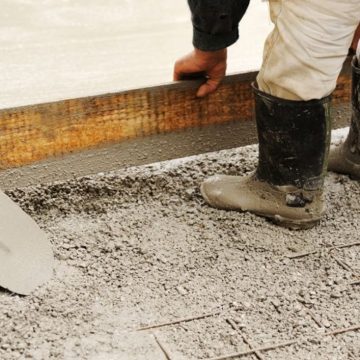


Heavy rain can quickly change the conditions around your foundation. Soil that normally drains water at a steady rate can become saturated after several hours or days of rainfall. Once that happens, water begins to collect around foundation walls, increasing pressure on the concrete and creating more opportunities for water to enter through cracks, joints, and porous surfaces.
Concrete waterproofing services in Holland provide your foundation with an added layer of protection against wet conditions. Instead of allowing rainwater and groundwater to remain in direct contact with vulnerable concrete, waterproofing systems help block water and guide it away from areas where it could create problems.
Learning how foundation waterproofing works can help you recognize signs of water intrusion and understand which protective measures may be worth considering before the next major storm arrives.
Why Heavy Rain Can Be Tough on Your Foundation
Your foundation spends much of its life surrounded by soil. During dry weather, that soil may contain relatively little water. Heavy rain changes the situation by filling the spaces between soil particles with water.
Once the ground reaches its absorption limit, additional rainwater has fewer places to go. It may collect beside foundation walls, move toward low spots around your property, or travel through cracks and gaps in concrete.
This buildup creates hydrostatic pressure. The greater the amount of water surrounding the foundation, the more pressure that water can place against below-ground walls.
Even small foundation openings can become noticeable during prolonged rainfall because water constantly seeks the easiest path through the structure.
Concrete Is Strong but Still Absorbs Water
Concrete looks solid, but it contains tiny pores. Water and water vapor can move through these pores under the right conditions.
Older concrete may become more vulnerable due to cracking, surface deterioration, construction joints, or prior repairs.
This is one reason concrete waterproofing can be valuable during periods of frequent rainfall. Waterproofing products are designed to reduce the amount of water that reaches or passes through these vulnerable areas.
Waterproofing cannot replace needed structural repairs. However, once cracks and other damaged areas are properly addressed, waterproofing can help reduce future water exposure.
Waterproof Membranes Create a Barrier
One common method of protecting foundation concrete is applying a waterproof membrane to the exterior surface.
These membranes create a physical barrier between the concrete and surrounding soil. When groundwater moves toward the foundation, the membrane helps prevent it from reaching the concrete itself.
Exterior membranes are particularly useful because they address water before it enters the foundation wall.
Depending on the property, installation may require excavation around the foundation so the wall can be cleaned, repaired, and covered with the appropriate material.
Waterproof Coatings Reduce Water Absorption
Waterproof coatings are another option for certain concrete surfaces.
These products are applied directly to concrete and help reduce water penetration. Some coatings form a protective surface layer, while others interact with the concrete itself.
The correct product depends on several factors, including the type of concrete, its condition, the amount of water exposure, and where the waterproofing will be installed.
Professional concrete waterproofing should begin with an evaluation rather than simply applying a coating over visible stains or cracks. Finding the source of the water makes it easier to select an approach that addresses the actual problem.
Drainage Helps Reduce Pressure Around Your Foundation
Blocking water is only part of foundation moisture management. Moving water away from your foundation is equally important.
Drainage systems can collect groundwater and redirect it toward an appropriate discharge area. This reduces the amount of water sitting against foundation walls after storms.
Exterior foundation drains may be installed near the base of the foundation. Interior drainage systems can also be used when water reaches basement or crawl space areas.
When drainage and waterproofing work together, your foundation receives protection from two directions. The waterproof barrier reduces penetration, while the drainage system gives surrounding water somewhere else to go.
Gutters and Grading Support Waterproofing
Water management begins above ground.
Your gutters collect rainwater flowing from the roof and direct it toward downspouts. Those downspouts should release water far enough from the foundation that it does not immediately soak into the soil beside your walls.
The slope of the ground also matters. Soil should generally direct rainwater away from the foundation rather than allowing it to pool beside the structure.
These basic drainage features can support concrete waterproofing by reducing the amount of water the waterproof barrier must handle during intense storms.
After heavy rain, walk around your property and look for standing water near the foundation. These areas can reveal drainage patterns that may need attention.
Foundation Cracks Need Proper Attention
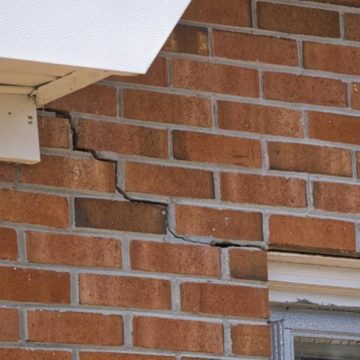
Cracks are among the most common entry points for water.
Some cracks develop as concrete cures and shrinks. Others may be associated with settlement, soil movement, or structural stress.
Because different cracks can have different causes, simply covering one with waterproof material may not address the underlying issue.
A foundation inspection can help determine why the crack formed and what type of repair makes sense. Once the damaged area has been properly repaired, waterproofing can help protect that location from repeated water exposure.
Interior and Exterior Waterproofing Work Differently
Exterior waterproofing focuses on keeping groundwater from entering your foundation. It may include membranes, drainage boards, foundation drains, and other protective materials installed against exterior walls.
Interior systems manage water from inside the basement or crawl space. These systems may include drainage channels, wall treatments, sump pumps, or other components designed to collect and move water away.
Neither method is automatically the right choice for every property.
A good concrete waterproofing plan considers where the water originates, how it moves around the structure, and where it enters.
Watch for Warning Signs After Heavy Rain
Stormy weather can expose foundation water problems that remain hidden during dry periods.
Check your basement, crawl space, and visible foundation areas after prolonged rainfall. Look for damp walls, discoloration, peeling coatings, water stains, cracks with visible seepage, musty smells, or standing water.
Also inspect the exterior. Pooling water, overflowing gutters, short downspouts, and soil sloping toward the structure can all contribute to foundation exposure to water.
Catching these signs early gives you more information about how water behaves around your property.
Government Guidance on Moisture Control
Foundation waterproofing works best as part of a broader moisture management strategy.
The U.S. Environmental Protection Agency provides moisture-control guidance covering building design, drainage, foundations, groundwater, and methods for limiting unwanted moisture.
Following sound drainage and moisture management practices can reduce the conditions that allow water problems to develop around your foundation.
Conclusion
Heavy rain can saturate surrounding soil, increase hydrostatic pressure, and push water toward cracks and porous areas in your foundation. Waterproof membranes, coatings, foundation drainage, grading, gutters, and crack repairs can work together to reduce these risks.
A properly planned concrete waterproofing system helps control how water interacts with your foundation during wet weather. Watching your property after storms and addressing drainage or foundation concerns early can help you stay ahead of recurring water intrusion.
If heavy rain is revealing leaks, damp foundation walls, or cracks around your property, Holland Foundation Repair Experts can evaluate the conditions and recommend practical waterproofing and foundation repair options designed around your foundation.